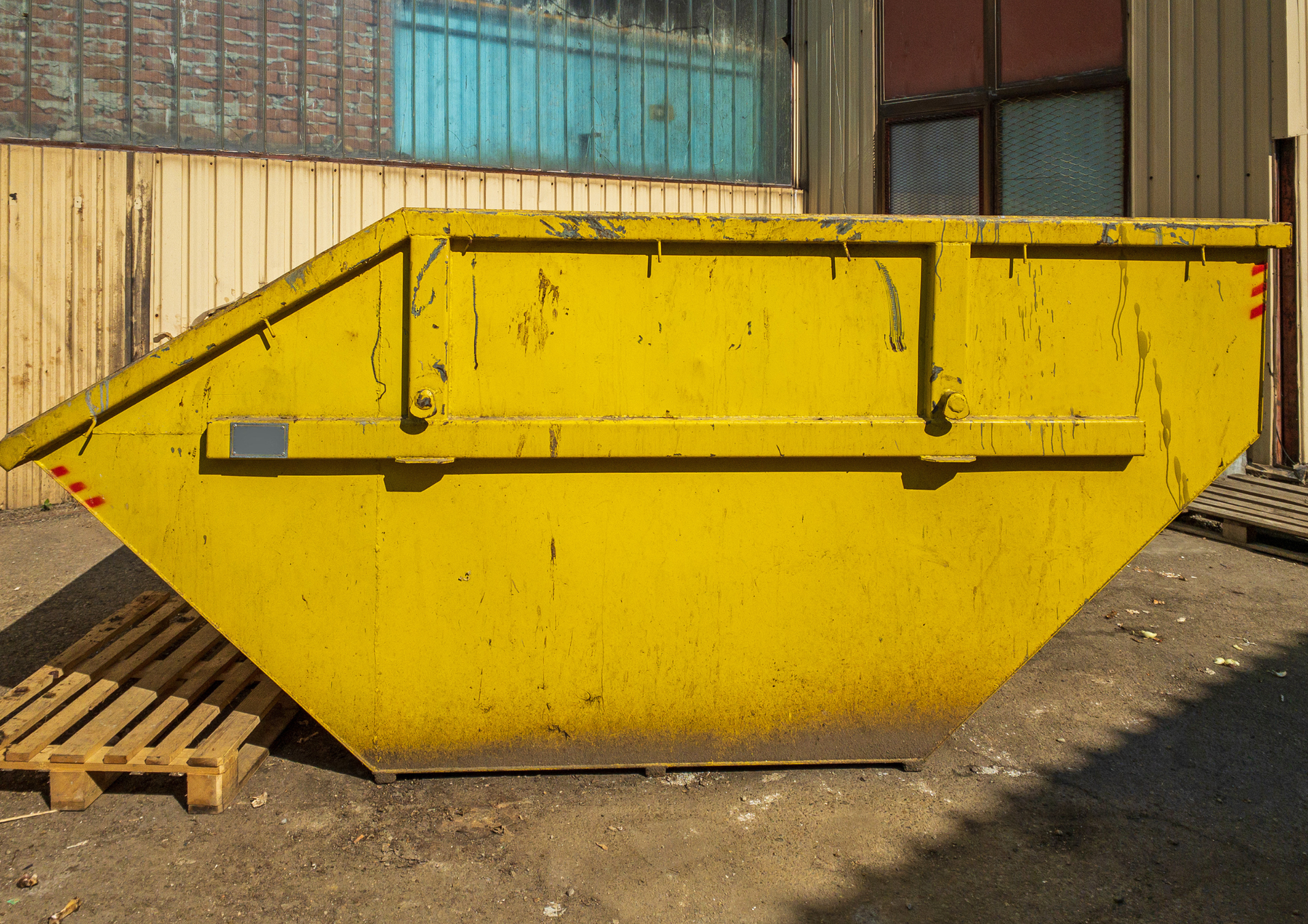


Choosing Local Skip Hire for Renovations and Home Clearance Jobs
Home renovations and property clearances can produce considerably more waste than expected. Old cupboards, flooring, damaged fittings, packaging, garden materials and general household items can quickly occupy valuable working space. Arranging local skip hire gives homeowners and those managing properties a practical way to keep unwanted materials contained while work progresses.
Planning waste removal early can make a substantial difference to how smoothly a project runs. A suitable container provides a central place for appropriate materials, reducing the need for waste to be stored temporarily in gardens, driveways, garages or working areas. It can also reduce repeated journeys to disposal facilities, particularly during projects where waste is produced gradually over several days.
For projects in Preston and surrounding areas, factors such as property access, available space, expected waste volumes and the duration of the work should all be considered before arranging a service. These considerations are equally relevant elsewhere and apply to everything from small domestic improvements to extensive residential refurbishments.
Homeowners, landlords, surveyors, local authorities and people responsible for residential or commercial properties can benefit from taking a planned approach. Understanding the scale of the work before it starts makes it easier to choose appropriate capacity, prepare the site and arrange collection at a suitable stage. The result is a more organised approach to waste management that supports the project rather than becoming another issue to resolve
.
Planning Waste Removal Around Different Renovation Projects
Different types of renovation work generate different quantities and types of waste. Thinking about what will be removed before work begins can make it easier to determine how much capacity may be required and where the container should be positioned. Customers searching for local skip hire near me should therefore consider the practical requirements of their project as well as availability.
Kitchen Renovations
- Removing old kitchen units, worktops, flooring and packaging can produce bulky waste surprisingly quickly.
- Planning for dismantled materials before fitting work begins helps keep access routes and working areas clearer.
- Separating materials as work progresses can make loading more organised and prevent usable space from being wasted.
- Customers should identify any materials that require alternative disposal arrangements before placing them into a container.
Bathroom Improvements
- Bathroom refurbishments can produce old fittings, tiles, flooring, packaging and general renovation debris.
- Even relatively small rooms can generate substantial quantities of material once existing fixtures have been removed.
- Positioning the container conveniently can reduce the distance waste must be carried through or around the property.
- Considering the likely weight as well as the physical volume of materials helps with selecting appropriate capacity.
Larger Property Renovations
- Multi-room refurbishments, extensions and structural improvement projects generally require more detailed waste planning.
- Waste may be produced at several different stages, making the expected project duration an important consideration.
- Keeping demolition and renovation debris contained helps preserve usable working space.
- Coordinating collection with the construction schedule can prevent a full container from becoming an obstacle while work continues.
Garden and Exterior Improvements
- Landscaping, shed removal, fencing replacement and general garden improvement can generate bulky materials.
- Branches, old timber, soil and dismantled outdoor features can occupy considerable space even when the project initially appears modest.
- Access should be considered carefully where properties have narrow driveways, restricted entrances or limited vehicle manoeuvring space.
- Preparing the placement area before delivery can help the process proceed more smoothly.
Careful planning at this stage gives customers a clearer understanding of what their project is likely to require. Rather than choosing capacity based purely on guesswork, considering the type, volume and weight of expected waste provides a more practical starting point.
Comparing Service, Capacity and Overall Value
Price naturally matters when organising any home improvement or clearance project, but it should be considered alongside the complete service being provided. Local skip hire prices can reflect factors such as container size, hire duration, location, waste type, delivery requirements and collection arrangements, so comparing headline figures alone may not provide a complete picture.
The cheapest quotation is not automatically poor value, just as a higher figure does not automatically indicate better service. The more useful approach is to compare like for like. Consider capacity, hire duration, communication, delivery arrangements, collection procedures and the provider's approach to responsible waste management.
Container size is particularly important. Choosing something considerably larger than required may mean paying for unused capacity, whereas selecting something too small can create inconvenience if the available space is filled before the project is finished. Estimating the likely quantity of waste beforehand helps create a more balanced decision.
Hire duration should also be discussed when making arrangements. A weekend household clearance may have very different requirements from a renovation taking place over several weeks. Understanding how long the container can remain at the property and how collection is arranged can prevent confusion later.
Customers should also think about where the container will be positioned. Private driveways and suitable areas within a property boundary may offer straightforward placement, whereas other locations can involve additional considerations. If placement away from private land is being considered, it is sensible to establish the applicable requirements before confirming arrangements.
Communication is another part of overall value. Clear information about what can be placed inside, expected delivery arrangements and the collection process makes it easier for customers to prepare properly. It also reduces the likelihood of problems arising once work is already under way.
A good comparison therefore considers the complete arrangement rather than focusing on one number. The objective is to find a practical balance between cost, capacity and dependable service so waste management fits comfortably into the wider project plan.
Choosing a Suitable Size and Preparing for Delivery
Selecting the right capacity is an important part of arranging local skip hire because the amount of waste produced can vary significantly between projects. A small household tidy-up and a complete property refurbishment require very different approaches, so estimating waste before booking helps avoid unnecessary complications.
Small Household Clearances
- Decluttering spare rooms, clearing cupboards or removing unwanted household items may require relatively modest capacity.
- Breaking down appropriate bulky items can help make better use of the available space.
- Customers should assess the entire clearance rather than only the first room being emptied.
- Leaving some allowance for unexpected items can prevent capacity becoming too restricted.
Medium Renovation Projects
- Kitchen replacements, bathroom improvements and several-room decorating projects can create mixed quantities of bulky materials and general debris.
- Estimating waste after existing fixtures and finishes have been removed provides a more realistic picture of requirements.
- The available space outside the property should be considered alongside capacity.
- Convenient positioning can reduce unnecessary carrying distances during busy renovation work.
Larger Building and Clearance Work
- Full property clearances, substantial refurbishments and commercial improvement projects can generate much greater volumes.
- Waste planning should form part of the wider project schedule rather than being considered only after materials begin accumulating.
- Collection timing may need to correspond with different stages of construction or clearance.
- Discussing expected materials beforehand helps establish an appropriate arrangement.
Preparing the Placement Area
- Check that the intended location is accessible to the delivery vehicle and suitable for positioning.
- Remove vehicles, stored materials or other obstacles that could restrict access on the agreed delivery day.
- Consider whether gates, narrow entrances, overhanging branches or other physical restrictions could affect delivery.
- Ensure the chosen location does not unnecessarily obstruct access required by occupants, contractors or other site users.
Loading Considerations
- Waste should be placed carefully rather than thrown in without considering the available space.
- Bulky items can sometimes be arranged more efficiently when loaded systematically.
- Customers should avoid exceeding appropriate filling levels.
- Any uncertainty about acceptable materials should be resolved before loading rather than after collection has been requested.
Taking a few minutes to consider these points before booking can prevent common problems. Appropriate sizing and sensible preparation make delivery easier and help ensure the available capacity is used effectively throughout the project.
Why Working with a Local Provider Can Simplify a Project
Home improvement work already involves coordinating materials, contractors, access and schedules, so waste removal should ideally fit into those plans with as little disruption as possible. Working with established local skip hire companies can be useful because providers familiar with the surrounding area may have practical knowledge of local routes, typical property access and common delivery considerations.
For Preston properties, this can be particularly helpful where residential streets, driveways or commercial premises present different access conditions. Providing accurate information when booking allows suitable arrangements to be considered before the vehicle arrives.
Clear communication is important from the first enquiry. Customers should be prepared to explain what type of project they are completing, approximately how much waste they expect to produce and what materials are likely to be involved. Providing this information gives the provider a better basis for discussing suitable options.
Collection arrangements are equally important. Some customers know exactly when their project will finish, while others may need greater flexibility because renovation work can change as it progresses. Understanding how collection requests are handled helps customers plan ahead rather than leaving a full container in place longer than necessary.
Local knowledge can also support more practical delivery planning. Roads, property layouts and access conditions differ considerably, even within the same town. Discussing potential restrictions beforehand can help identify issues early and make the delivery process more straightforward.
The relationship between customer and provider therefore involves more than simply dropping off and collecting a container. Good planning, accurate information and clear communication all contribute to a service that supports the wider renovation or clearance project.
Effective waste management can make home renovations and property clearances considerably easier to organise. Whether work involves replacing a kitchen, refurbishing several rooms, improving a garden or clearing an entire property, thinking about waste before the project begins helps prevent unwanted materials from taking over valuable working space.
Choosing the right capacity is an important part of this planning. Customers should consider not only the visible size of the items being removed but also how much material may be generated as fixtures are dismantled and work progresses. Access, placement space and project duration should also form part of the decision.
Arranging local skip hire as part of the wider project plan can provide a straightforward way to keep suitable waste contained while maintaining clearer working areas. For homeowners, landlords, surveyors, local authorities and those responsible for residential or commercial properties, this organised approach can make projects easier to manage from the initial clearance through to the final stages of work.
Taking time to compare the complete service rather than concentrating solely on price also supports better decision-making. Clear arrangements for delivery, capacity, permitted materials and collection allow customers to understand what to expect and prepare their property accordingly.
Skip Hire Kidderminster provides practical information and waste management options for customers planning domestic improvements, property clearances, renovations and commercial projects. We recognise that requirements vary depending on the property, available access, expected waste and length of the work, so our approach focuses on helping customers understand the options available to them.
Whether the project involves a household tidy-up, garden clearance, refurbishment or more extensive building work, local skips can provide a convenient way to keep suitable waste together while work progresses. Considering the scale of the project beforehand also helps customers select appropriate capacity rather than making arrangements based solely on guesswork.
Our website is designed to make the process easier to understand, with straightforward information that helps customers prepare for delivery and collection. We focus on practical guidance, clear communication and responsible waste management so homeowners, landlords and those managing residential or commercial properties can make informed choices based on their individual project requirements.
Check out our latest X update on the benefits of choosing
local skip hire for renovations and home clearance jobs!
You might also like