

How Skip Hire Weight Limits Affect Construction Waste Disposal
Waste removal plays an essential role in construction works, property refurbishments, and domestic clearances. Renovation projects, landscaping works, and commercial developments all produce materials that must be removed safely and efficiently. Arranging skip hire services provides a structured solution for collecting and transporting waste while maintaining organised working environments.
Why Weight Limits Are Important in Waste Disposal
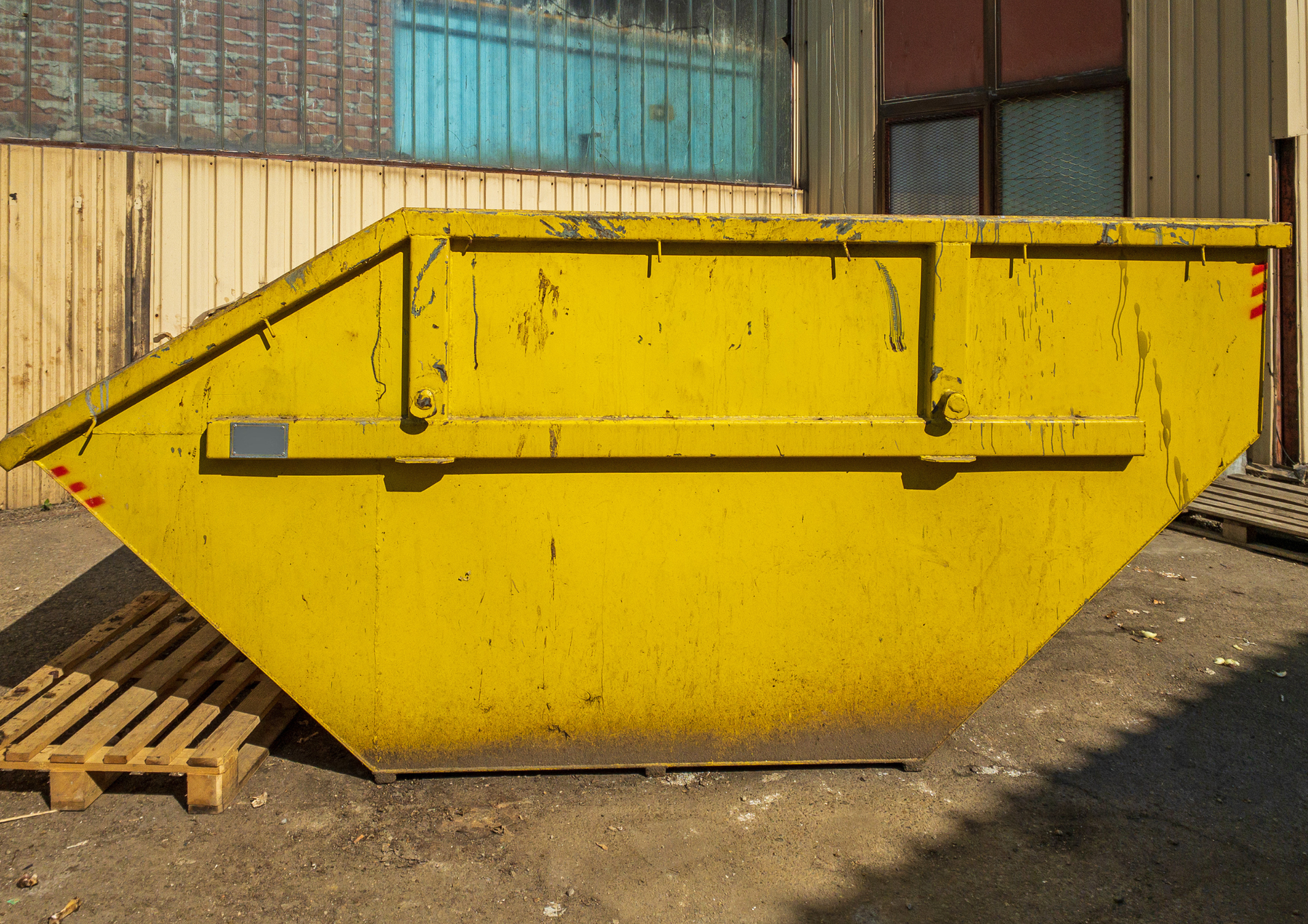
Containers used for construction and household waste are designed to carry specific weight loads. While containers may appear spacious, the weight of materials placed inside can quickly increase depending on the type of waste being disposed of.
Dense materials such as soil, bricks, concrete, and tiles can add significant weight even when the container is only partially filled. Lighter materials such as packaging waste, timber offcuts, and insulation may occupy more space but weigh considerably less.
Customers often begin planning waste disposal by searching for skip hire near me services. Understanding the difference between heavy and lightweight materials helps ensure containers are loaded appropriately. Respecting weight limits ensures containers can be lifted safely during collection while preventing delays in waste removal.
Understanding Different Waste Types and Their Weight
Different construction and household materials vary significantly in density, which can influence how containers are used during skip hire projects. Two containers filled with the same volume of waste may weigh very different amounts depending on the materials placed inside.
For example, soil, rubble, and broken concrete are heavy materials that can quickly increase the overall weight of a container. In contrast, materials such as timber, cardboard packaging, and plastics are far lighter and allow more space to be filled without exceeding weight limits.
Some smaller projects may generate modest waste volumes and consider alternatives such as a skip bag for disposal. These flexible waste containers can be suitable for light materials generated during small refurbishments or garden works. Understanding how different materials contribute to overall weight helps ensure containers remain suitable for safe transport.
Planning Waste Loading to Avoid Overweight Containers
Efficient loading practices help ensure containers remain within safe weight limits. Organising waste before loading and distributing materials evenly inside the container can help maintain balanced weight distribution.
Heavy materials should be placed carefully to avoid concentrating too much weight in one area. Mixing heavier materials with lighter debris can help ensure the container remains balanced during loading.
Property owners undertaking renovation projects may decide to rent a skip when planning waste removal for building works or property improvements. By preparing waste materials in advance, contractors and homeowners can ensure containers are used efficiently without exceeding safe limits. Responsible loading practices support efficient waste collection and transport.
Choosing the Right Container for Your Project
Selecting an appropriate container size is an important part of managing weight limits effectively. Projects generating heavy materials may require smaller containers to ensure the total load remains manageable.
In contrast, projects producing lighter waste materials may be able to use larger containers without approaching weight limits. Understanding the nature of the waste being generated helps determine which container size is most appropriate.
Property owners and contractors sometimes review waste bin hire services when planning waste removal arrangements for construction or renovation works. Choosing the right container helps ensure materials can be removed safely while maintaining organised site conditions. Careful container selection supports efficient waste management throughout the project.
Skip Hire Kidderminster
provides dependable waste management services for homeowners, landlords, surveyors, contractors, and local authorities managing residential and commercial developments. Our team offers practical guidance on container selection, delivery scheduling, and waste disposal planning.
By working closely with our customers, we help ensure skip hire services remain organised, efficient, and suited to the demands of each project. With responsive support and reliable container solutions, we support developments of all sizes with professional and dependable waste management services.
Update on X: Why
skip hire weight limits matter for construction waste.
You might also like