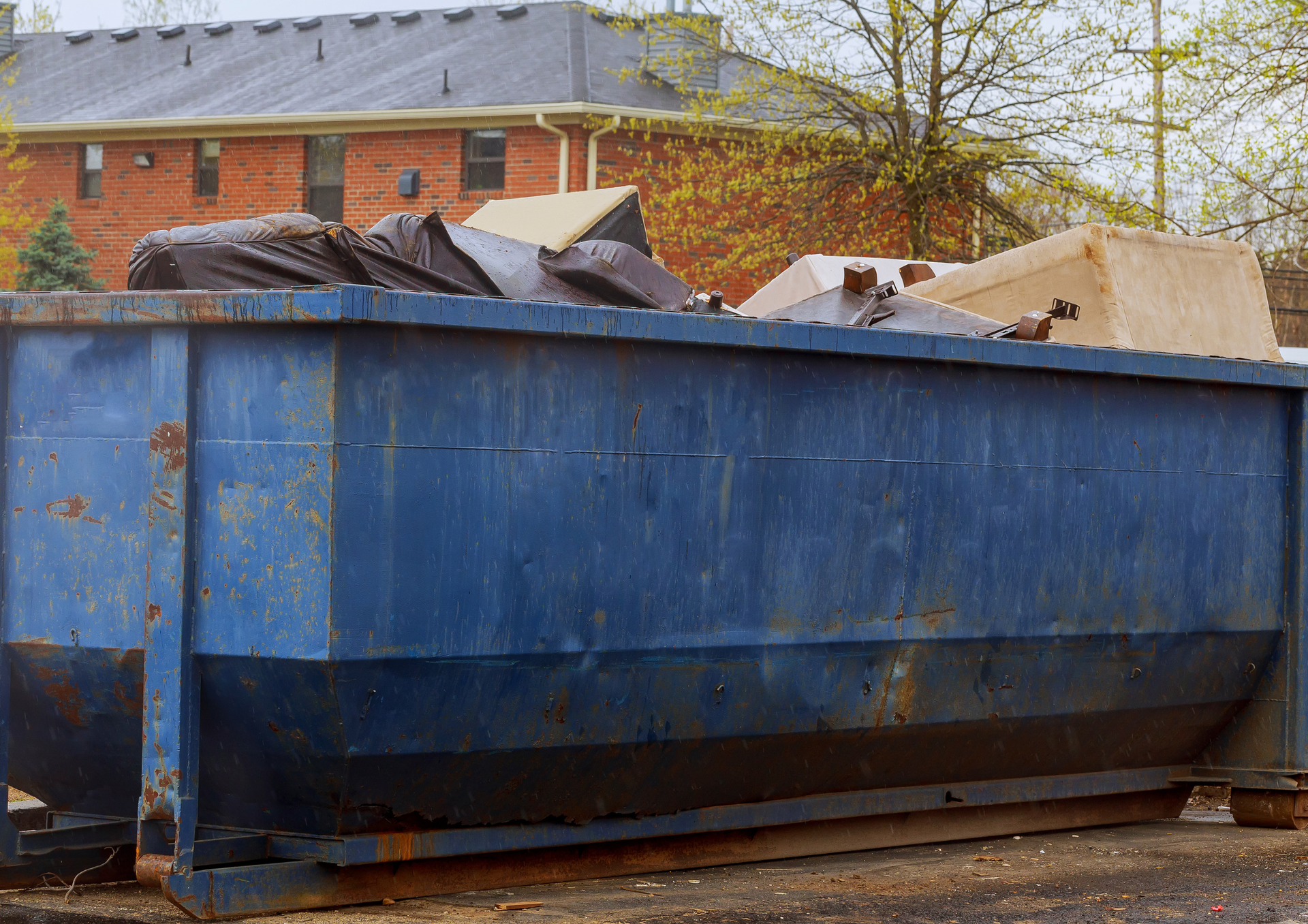


Skip Hire Solutions for Office Refurbishment Waste Clearance Work
Office refurbishment projects can transform commercial spaces, improve working environments, and support changing business requirements. Whether updating a small office suite, modernising a large corporate building, or preparing a property for new occupants, refurbishment work often generates significant volumes of waste that require careful management.
Materials removed during renovation projects can include old furniture, partition walls, flooring, ceiling tiles, fixtures, fittings, packaging materials, and general construction debris. Without an organised disposal strategy, these materials can quickly accumulate and affect productivity, site safety, and project efficiency.
For property owners, facility managers, landlords, surveyors, local authorities, and businesses overseeing refurbishment work, effective waste management forms an essential part of project planning.
Understanding Waste Generated During Office Refurbishments
Every office refurbishment project produces varying types and quantities of waste. The amount generated often depends on the scale of the renovation, the age of the building, and the scope of improvements being undertaken.
Initial strip-out phases frequently create substantial volumes of waste. Old desks, chairs, cabinets, shelving units, carpets, suspended ceilings, partition systems, electrical fittings, and decorative materials are commonly removed before new installations begin.
As refurbishment progresses, additional waste may arise from construction activities. Timber offcuts, plasterboard remnants, packaging materials, plastic wrapping, cardboard, and general site debris can accumulate rapidly if not managed efficiently.
Maintaining control of waste throughout each project phase helps create a more organised working environment while supporting smoother site operations. Rather than allowing waste materials to build up in storage areas, corridors, or working zones, structured removal arrangements help keep refurbishment activities moving forward.
Businesses carrying out phased refurbishments particularly benefit from ongoing waste management planning. By coordinating disposal requirements alongside construction schedules, project managers can minimise disruption and maximise available workspace throughout the renovation process.
Choosing the Right Waste Management Approach
Selecting the right waste disposal solution is an important part of any office refurbishment project. Careful planning helps ensure waste is managed efficiently, work areas remain organised, and refurbishment activities can continue without unnecessary disruption.
Project Size and Waste Volumes
- Smaller office improvements, such as replacing flooring, redecorating meeting rooms, or updating reception areas, often generate moderate amounts of waste.
- Larger refurbishment projects involving complete floor renovations, office reconfigurations, or extensive fit-outs typically produce significantly higher waste volumes.
- Assessing expected waste quantities before work begins helps determine the most suitable disposal arrangements.
Waste Segregation and Site Efficiency
- Separating different waste materials can improve site organisation and streamline disposal processes.
- Designated collection points help contractors manage waste more effectively throughout the project.
- Organised waste handling reduces disruption and supports smoother day-to-day operations.
Access and Site Considerations
- Property managers often review loading areas, parking availability, and access routes when planning waste removal.
- Building entrances, lift access, and working hour restrictions can all influence disposal arrangements.
- Understanding site limitations early helps prevent avoidable delays during refurbishment works.
Benefits of Forward Planning
- Integrating waste management into the overall refurbishment schedule supports efficient project delivery.
- Planned waste removal helps prevent debris from accumulating in working areas.
- Contractors can focus on refurbishment tasks while maintaining a cleaner and more organised site environment.
- Effective planning helps minimise disruption and supports timely project completion.
Supporting Site Organisation and Workplace Safety
A well-organised refurbishment site contributes significantly to overall project efficiency. Excessive waste accumulation can create unnecessary obstacles, restrict access routes, and complicate day-to-day operations for contractors and building occupants.
Maintaining clear walkways and working areas allows tradespeople to move safely throughout the site while reducing the likelihood of avoidable disruptions. Regular waste removal helps preserve valuable workspace and supports more productive working conditions.
Office refurbishments often take place within occupied buildings where other businesses continue operating nearby. In these environments, maintaining tidy work areas becomes particularly important. Effective waste management helps minimise inconvenience while supporting a professional appearance throughout the refurbishment programme.
Clearance arrangements also help contractors manage material deliveries more effectively. When waste is removed promptly, newly delivered materials can be stored safely and accessed more easily when required.
Surveyors and property professionals frequently recognise the importance of site presentation during refurbishment projects. A clean and organised environment can support inspections, progress assessments, and stakeholder visits while demonstrating effective project management practices.
For local authorities and commercial property operators, maintaining organised refurbishment sites reflects positively on the wider management of the property and can help projects progress more smoothly from commencement through to completion.
Planning for Successful Project Completion
Successful office refurbishments require careful coordination between multiple activities, including waste management. Integrating disposal arrangements into project planning can help avoid common challenges and support timely completion.
Project managers often begin by estimating the types and quantities of waste likely to be generated at different stages. This allows disposal requirements to be aligned with key project milestones and construction activities.
Communication between contractors, property owners, and waste management providers can further improve efficiency. Clear planning helps ensure collection schedules remain aligned with project progress while preventing unnecessary interruptions.
Environmental considerations also play an important role in modern refurbishment projects. Many organisations actively seek responsible disposal solutions that support sustainable waste management practices. Careful planning can help maximise opportunities for material recovery while reducing unnecessary waste handling.
As refurbishment work nears completion, final clearance activities often involve removing remaining packaging materials, surplus supplies, temporary protective coverings, and general site debris. Completing these final stages efficiently helps prepare the property for occupation, handover, or reopening.
A structured approach to waste management allows refurbishment teams to maintain momentum throughout the project lifecycle while supporting cleaner, safer, and more organised working environments.
Many businesses and property managers searching online for skip hire near me are often looking for a convenient waste management solution that supports refurbishment projects without disrupting ongoing operations. Professional waste removal services help simplify site management and improve overall project efficiency.
Understanding skip hire prices can help project planners prepare accurate budgets and allocate resources effectively when organising office refurbishment works and associated waste disposal requirements.
For minor renovation projects, small skip hire can provide a practical solution for managing limited quantities of waste while maintaining tidy and organised work areas throughout the refurbishment process.
In situations where access may be restricted or waste volumes are relatively modest, a skip bag can sometimes offer an alternative collection option depending on project requirements and site conditions.
At
Skip Hire Kidderminster, we understand the challenges associated with managing waste during office refurbishment projects. Our focus is on providing reliable, professional, and efficient waste management solutions that support both commercial and residential projects.
We prioritise clear communication, dependable service, and practical waste disposal options designed to help customers maintain organised sites and achieve project objectives efficiently. Whether supporting property improvements, renovation works, building upgrades, or commercial refurbishment programmes, our team is committed to delivering a professional service that helps keep projects moving forward.
By choosing skip hire us, customers benefit from a straightforward approach to waste management backed by experience, reliability, and a commitment to supporting successful project outcomes.
New Update on X:
Skip hire support for workplace renovation and clearance projects.
You might also like